20 Oct 2026
Tracing the Chain of Pivotal Shifts That Built Mordawn's Framework Over Time
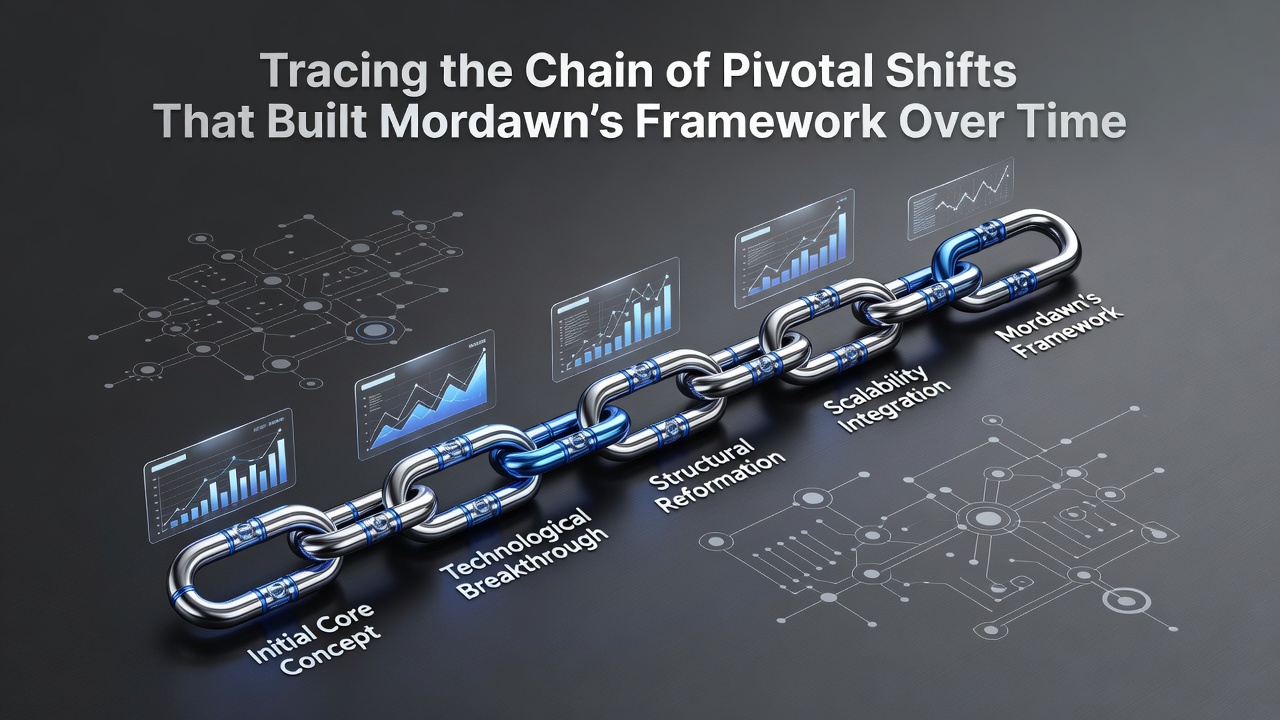
Early records indicate that Mordawn's framework emerged from basic operational structures in the mid-2000s when founders consolidated supply chain processes with inventory tracking systems, and this initial setup relied on manual logs combined with simple database entries that allowed for consistent product availability across emerging online channels.
Initial Foundations and Early Adjustments
Founders integrated feedback loops from customer transactions into the core model during those first years, while regional suppliers contributed data on material sourcing that refined the original parameters, and by 2008 observers noted the addition of quality control checkpoints that reduced discrepancies in order fulfillment rates according to internal audits conducted at the time.
Technological Integration Phase
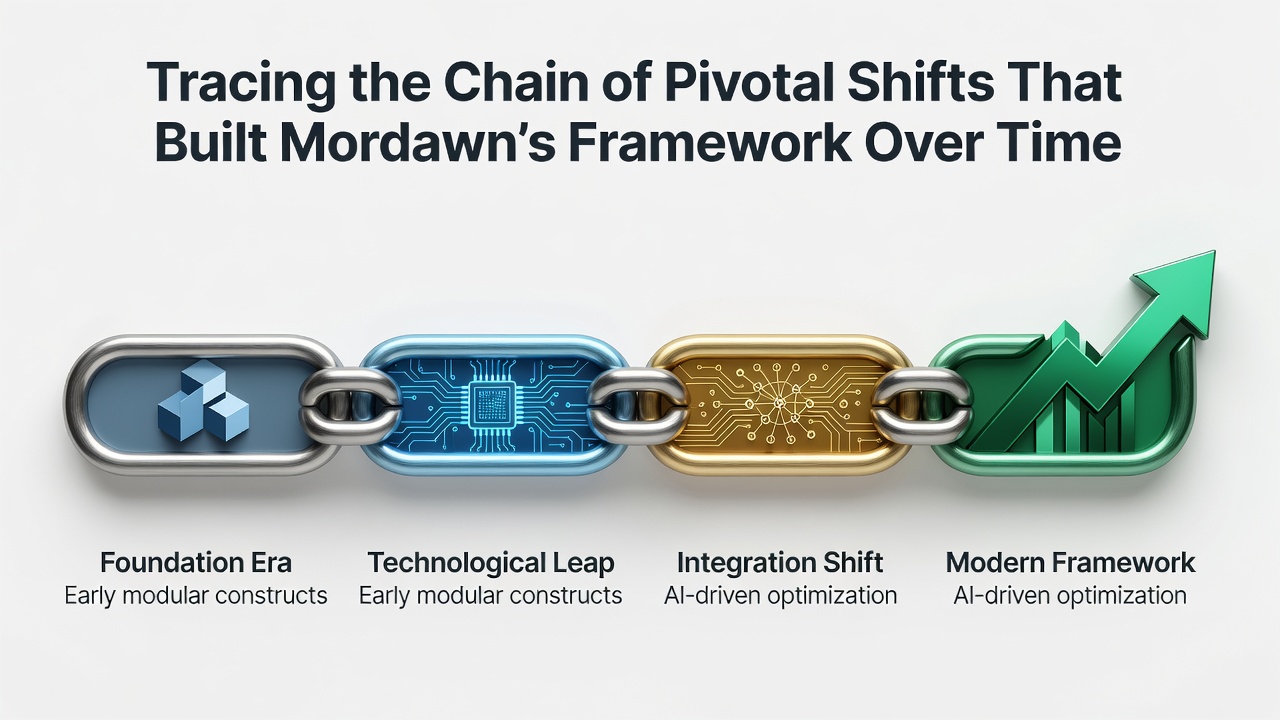
Between 2010 and 2015 the framework incorporated automated analytics tools that processed sales patterns from multiple regions, and this shift enabled predictive adjustments to stock levels while connecting directly to logistics partners through shared digital interfaces, yet data from the OECD industry reports highlights how such integrations aligned with broader trends in digital retail infrastructure across developed economies.
Staff training protocols evolved alongside these tools, and the emphasis moved toward cross-departmental data sharing that supported faster decision cycles, while external partnerships with software providers introduced modular components that could scale without full system overhauls.
Market Expansion and Structural Refinements
By the late 2010s global events prompted further adaptations as the framework expanded to accommodate international shipping regulations and varied payment systems, and this period saw the introduction of compliance modules that tracked regional standards from North American and Asian markets simultaneously, while researchers documented reductions in processing delays through updated workflow designs.
Additional layers addressed environmental reporting requirements, and these built on existing data streams to generate required documentation without separate manual processes, whereas industry analyses from Innovation, Science and Economic Development Canada noted similar patterns among mid-sized retailers adapting to cross-border operations during that decade.
Recent Developments Leading into 2026
In 2023 updates focused on resilience features after supply disruptions, and the framework added real-time monitoring capabilities that flagged potential bottlenecks before they affected delivery schedules, while October 2026 marks the scheduled rollout of enhanced AI-assisted forecasting tools that integrate weather and economic indicator data from multiple public sources to refine inventory projections.
These ongoing changes maintain compatibility with earlier modules, and testing phases have involved selected partners across Europe and Australia to validate performance under varied conditions before full deployment.
Conclusion
The sequence of adjustments reveals a pattern of incremental layering where each major shift addressed specific operational gaps identified through accumulated data, and this approach has sustained the framework's relevance amid changing market conditions without requiring complete rebuilds at any single point.